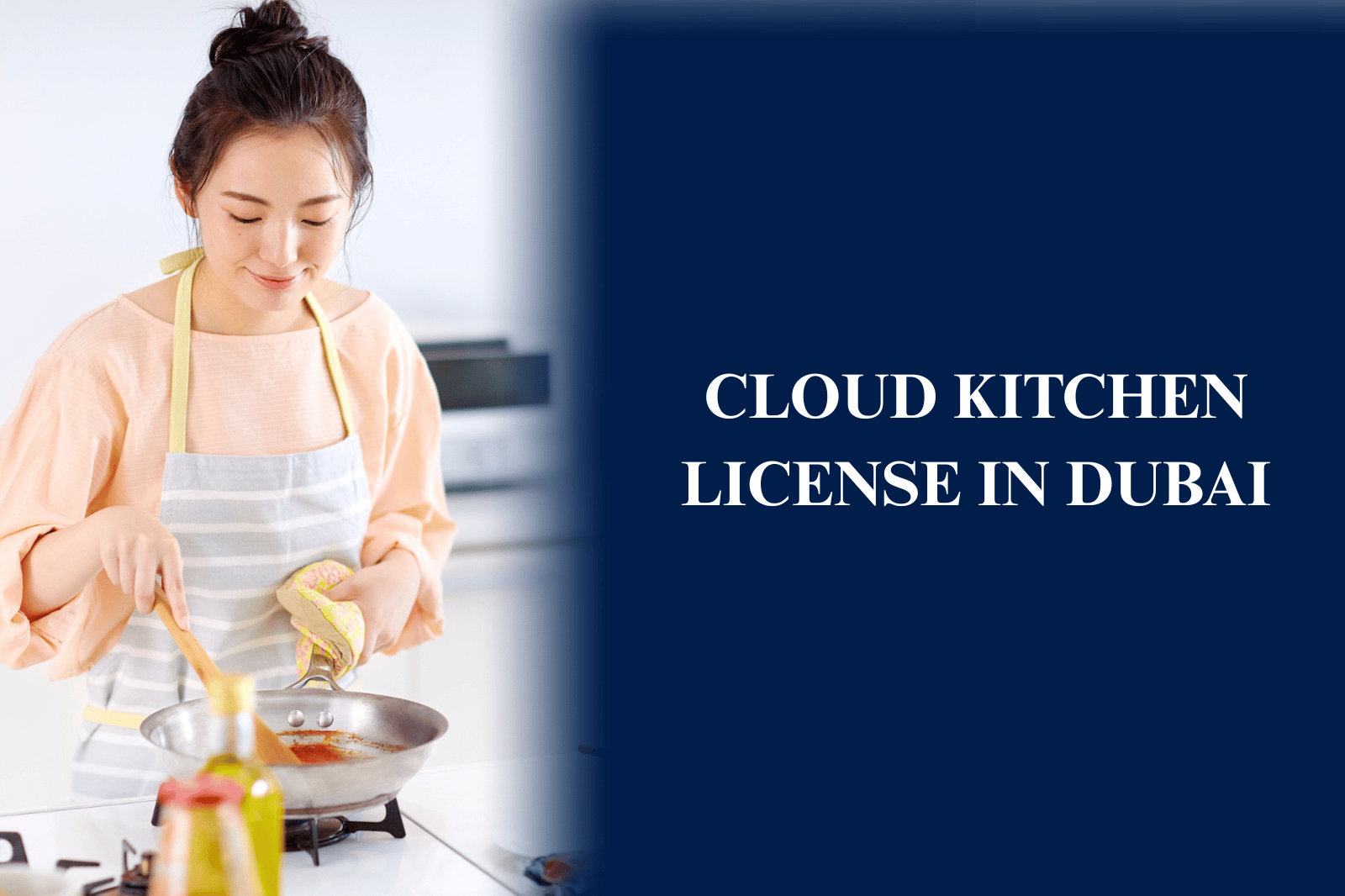


Cloud kitchen license in Dubai is an essential requirement for food businesses and entrepreneurs looking to run an online food delivery business model. With the increase in demand for online food-delivery business in Dubai, getting the right license ensures legal compliance while tapping into the expanding food-delivery business in the city. A cloud kitchen operates exclusively for delivery, with no dine-in area, helping reduce the costs and risks as compared to traditional restaurant formats. This model allows chefs to focus on the quality of the food and make deliveries through platforms like Talabaat, Deliveroo, Careem, and Noon Food.
Businesses across the UAE, whether they are startups or established bands, are embracing this model to access the expanding delivery industry. To get a cloud kitchen license, it is important to understand the incorporation process and other steps involved in opening a successful cloud kitchen in Dubai.
Key Insights of Cloud Kitchen in Dubai
Here are the main points of cloud kitchen model in Dubai:
- Low-Cost, High-Profit Model: cloud kitchen has lower expenses as there is no need for prime locations, staff members or dining areas. It is a capital efficient alternative to traditional restaurant models.
- Utilising Dubai’s Growing Delivery Industry: This model aligns with the preferences of Dubai’s digitally native consumers, who frequently rely on food delivery platforms like Talabant, Deliveroo. It allows businesses to reach a larger customer base quickly and efficiently.
- Licensing Compliance Comes First: obtaining the right permits for a Dubai cloud kitchen, such as Trade, Food and Civil Defence Approvals, is crucial to ensure you are operating legally meeting the regulatory standards.
- Affordable Startup Investment: setting up a cloud kitchen in Dubai generally requires an initial investment between AED 75,000 and AED 175,000 or higher. The costs depend on the size of kitchen, location and equipment requirements.
- Built for Rapid Expansion: One approved and licensed kitchen facility can host several virtual brands, creating opportunities for easy growth, wider market reach and low-risk menu experimentation.
To sum up, a cloud kitchen in Dubai is an efficient and profitable business model built for rapid delivery trends.
What is a Cloud Kitchen in Dubai? Inside the Future of Food Delivery
A cloud kitchen is often referred to as a virtual kitchen, a ghost kitchen or a dark kitchen in a food preparation space designed exclusively for delivery and takeaway services. These kitchen models operate without a physical dining area for customers.
These kitchens specialize in producing high-quality meals for customers who place and complete their orders through online platforms, where the entire ordering, payment, and management process is handled digitally.
Key Features of a Cloud Kitchen in Dubai
Delivery-Centered Operations
Cloud kitchens operate exclusively for online orders and takeaway services, eliminating the need for physical storefronts, dining areas or customer-facing staff. The primary goal is to maximize speed and efficiency in food preparation and delivery.
Strategic Location Advantage
Since the cloud kitchen does not require customer walk-ins, these kitchens are often located in affordable commercial or industrial zones. Their location is carefully selected near densely populated residential and business areas to provide efficient delivery services on time.
Technology-Driven Infrastructure
Cloud kitchens depend on modern digital systems, such as online ordering platforms, kitchen management screens, and delivery tracking tools. Through these technologies, they can ensure a smooth and organised process from placing orders to customer delivery.
Opportunity for Multiple Virtual Brands
A single licensed kitchen can manage several virtual restaurant concepts under one roof. This gives business owners the flexibility to introduce different cuisines, test menu ideas, and expand their market presence without investing in additional physical locations.
Cloud Kitchen Vs Traditional Restaurant: A Side-by-Side Comparison
| Comparison Factor | Cloud Kitchen | Traditional Restaurant |
| Business Objective | Focuses primarily preparing meals for delivery and takeaway services | Concentrated on both food quality and an in-person dining experience |
| Location Expenses | Usually lower due to operation in industrial or commercial areas | Generally higher because of premium retail or high-traffic locations |
| Customer Engagement | Interaction take place through digital apps and online platforms | Combines face-to-face customer service with digital channels |
| Operating Costs | Reduced expenses due to the absence of dining areas and front-end staff | Higher costs resulting from rent, interior design, and service staff |
| Major Investment Areas | Investment mainly goes into kitchen equipment, technology systems and packaging solutions | Major spending goes to seating arrangements, interior, ambience, and full-service teams |
| Growth Potential | Highly profitable with the ability to launch additional virtual brands with ease | Expansion requires setting up entirely new restaurant locations |
Legal and Regulatory Requirements for Establishing a Cloud Kitchen in Dubai
Obtaining the necessary licenses and approvals is an essential step for operating a cloud kitchen legally in Dubai. Businesses must comply with food safety, operational, and regulatory requirements before beginning operations.
| Requirement | Responsible Authority | Purpose and Description |
| Commercial Trade License | Department of Economy and Tourism (DET) or a Free Zone Authority | Grants official authorisation to run a food business. The registered activity should correspond to restaurant operations or food service |
| Food Operation PErmit | Dubai Municipality – Food Safety Department | Needed for food businesses that prepare the food, handle or deliver it |
| Food Safety Compliance Certificate | Dubai Municipality | Verifies that the kitchen follows food safety standards, such as hygiene standards, and HACCP guidelines. Staff training may also be required |
| Commercial Kitchen LEase Agreement (Ejari) | Dubai REST | Provide legal evidence of a registered kitchen space that complies with municipal safety and health regulations |
| Business Registration and Formation | DET or Relevant Free Zone Authority | Includes selecting a legal business structure, such as an LLC, and completing the business registration process. |
| Safety and Fire Clearance Approval | Dubai Civil Defence | Ensures the kitchen facility meets the fire protection, safety systems and ventilation requirements before beginning operations |
How to Obtain a Cloud Kitchen License in Dubai?
If you want to get a cloud kitchen license in Dubai, the process generally involves registering your business, getting food safety approvals, and kitchen compliance checks. Here is a step-by-step guide:
Step 1: Develop Your Business Idea and Market Strategy
Identify Your Market Opportunity
Conduct thorough market research to identify gaps in Dubai’s food delivery market. Focus on underserved cuisines, customer preference, and emerging food trends. Ensure your menu is unique and suitable for delivery-based operations.
Study the Competition
Evaluate leading cloud kitchens and restaurants operating on delivery platforms. Analyse their pricing structures, packaging quality, customer reviews and promotional strategies to discover areas where your business can stand out.
Prepare a Comprehensive Business Plan
Create a business plan that outlines your target audience, menu offerings, financial projections, marketing plans, pricing models and operational strategy. A strong business plan also helps with funding opportunities and seeking investment.
Step 2: Select a Business Structure
Select whether you want to establish your business in a mainland jurisdiction or a free zone. Many food delivery businesses prefer mainland setup for wider operational flexibility.
Mainland Business Setup
Suitable for businesses planning to operate directly across the UAE market. Common legal structures include Limited Liability Company (LLC) and Sole Proprietorship.
Free Zone Company Setup
Offers benefits such as full foreign ownership and potential tax benefits, making it ideal for businesses operating central production kitchens.
Professional License Option
It is suitable for individual chefs or small specialised food operations.
Seek Professional Advice
Consulting with a business setup consultant like Al Riyady can help identify the most suitable structure based on your operational and financial goals.
Step 3: Reserve a Trade Name and Get Initial Approval
Follow Official Naming Guidelines
Select a unique and culturally appropriate trade name that complies with Dubai regulations. Moreover, avoid religious, offensive or restricted names.
Verify and Reserve Availability
Submit the selected business name to the Department of Economy and Tourism (DET) or the relevant Free Zone Authority for approval. Prepare backup options in case the proposed name is unavailable.
Step 4: Company Registration and Initial Approval
Obtain Initial Business Approval
Receive initial approval from DET or the chosen Free Zone authority before proceeding with formal registration and lease agreement.
Register the Company
Complete company formation process and finalise legal documents related to your selected business structure.
Step 5: Obtain Required Licenses and Regulatory Approvals
Trade License
Apply for a commercial trade license with the business activity listed under restaurants or food service operations.
Food and Safety Approvals
Secure the necessary permits and certificates, such as:
- Food license for food preparation and sales activities
- Food Safety Certification demonstrating HACCP compliance and staff training
- Civil Defence Approval for ventilation systems and fire protection
- Health and Safety inspection as required by the authorities
Step 6: Secure a Licensed Kitchen Facility
Select a Strategic Location
Choose commercial or industrial areas such as Al Quoz or Ras Al Khor that provide efficient access to target commercial and industrial delivery zones.
Complete Tenancy Registration (Ejari)
Obtain a legally registered tenancy contract for the kitchen facility to fulfill compliance with food safety standards.
Step 7: Equip the Kitchen and Implement Technology Systems
Install Commercial Kitchen Equipment
Invest in high-quality cooking appliances, refrigeration units, storage systems and packaging material suitable for large-scale food preparation.
Adopt Technology Solution
Integrate essential systems such as:
- Kitchen Display Systems (KDS)
- POS systems connected with delivery applications
- Order and inventory management tools
- Delivery tracking softwares
Step 8: Build Delivery Partnerships and Brand Presence
Register with Food Delivery Platforms
Partner with top food delivery platforms such as Talabat, Deliveroo, Careem, and Noon Food to increase market visibility.
Create Direct Ordering Channels
Develop a dedicated website and utilise channels such as WhatsApp and Instagram for direct customer engagement and reduce commission costs.
Marketing Activities
Run online campaigns, collaborate with influences, and introduce promotional offers before launch to create brand awareness.
Step 9: Start Business Operations and Team Structure
Open a Corporate Bank Account
Opening a corporate bank account ensures separate financial records for better financial transparency and management.
Secure Business Insurance
Obtain essential insurance coverage, such as property insurance, liability protection, and employee compensation policies.
Recruit and Train Employees
Hire experienced staff members and ensure they get food safety training and certification according to Dubai regulations.
Step 10: Conduct a Soft Launch and Operational Testing
Test Daily Operations
Operate within a limited menu or selected customers to assess kitchen efficiency, delivery speed, and packaging performance.
Get Customer Feedback
Identify operational weaknesses and make improvements before the official launch.
Step 11: Official Launch and Business Expansion
Launch Full Operations
Start marketing efforts and ensure all online ordering platforms and delivery systems are functioning properly.
Monitor Business Performance
Track sales patterns, customer feedback, customer preferences, peak order periods regularly.
Plan Future Expansion
Once the business becomes stable and profitable, consider launching additional virtual brands, introducing new cuisines, or expanding into new locations.
Following these steps help establish a legally compliant, operationally efficient, and profitable cloud kitchen in Dubai. It also helps create opportunities for long-term growth in the rapidly expanding food delivery sector.
Documents for Starting a Cloud Kitchen in Dubai
Here is the key documents checklists for a cloud kitchen:
- Passport copies of all partners and shareholders
- Valid UAE visa or entry stamp of each shareholder
- Emirates ID for resident partners
- Trade name approval with three selected trade names reserved through the Dubai Economic Department (DED).
- Business plan showing the operational strategies and food concept.
- Ejari for the commercial kitchen space.
- Detailed kitchen layout plan approved by the Dubai Municipality’s Food Safety Department.
Essential Approvals and Licenses:
-
- Trade license issued by the DED or relevant Free Zone authority
- Food license issued by the Dubai Municipality to operate as a food establishment
- Food safety certificate showing staff completion of required hygiene and safety training.
- Civil Defence approval for fire and equipment, particularly for heavy cooking machinery.
Optional Documentation
- No Objection Certificate (NOC), if required for specific locations or structures.
- Manager’s passport and visa, if a separate manager is appointed.
Tips for Successfully Starting a Cloud Kitchen in Dubai
Tip 1: Use Data Smartly
Track best-selling and low-selling items, busy hours and customer reviews. Use this information to improve your menu and operations.
Tip 2: Create a Strong Brand Image
Use attractive photos and build a clear brand identity. Promote your business through social media and local influencers.
Tip 3: Improve Platform Visibility
Upload quality food images, write simple menu descriptions and offer promotions and discounts. Keep customer ratings high through good food quality and reliable packaging.
Tip 4: Prepare for growth
Keep recipes consistent and create standard work processes. Design your kitchen so you can easily add more virtual brands later.
Tip 5: focus on Quality and Flexibility
Encourage teamwork, quickly remove weak menu items and focus on keeping existing customers happy.
Final Thoughts
In conclusion, cloud kitchens in Dubai are becoming an essential part of Dubai’s growing food delivery industry. They are an excellent opportunity for entrepreneurs because of lower operational costs, flexible business models and strong technology support. Ensure to follow the right ;egal procedures, use effective strategies and maintain high-quality services to make it successful and sustainable in the competitive market.
Additionally, before opening make sure your kitchen can handle higher order volumes, your packaging is secure and keeps the food fresh for at least 30 minutes. Moreover, your team is ready to manage refunds or order issues efficiently.